Serving Southern California
Central Roofing provides commercial roofing services across Los Angeles County, Orange County, San Bernardino County, and Riverside County — including repairs, coatings, maintenance, re-roofing, and emergency leak response.



Los Angeles Apartment Building Roof Options
Roofing Types for Los Angeles Apartment Buildings: The Complete 2026 Guide
Updated August 2026
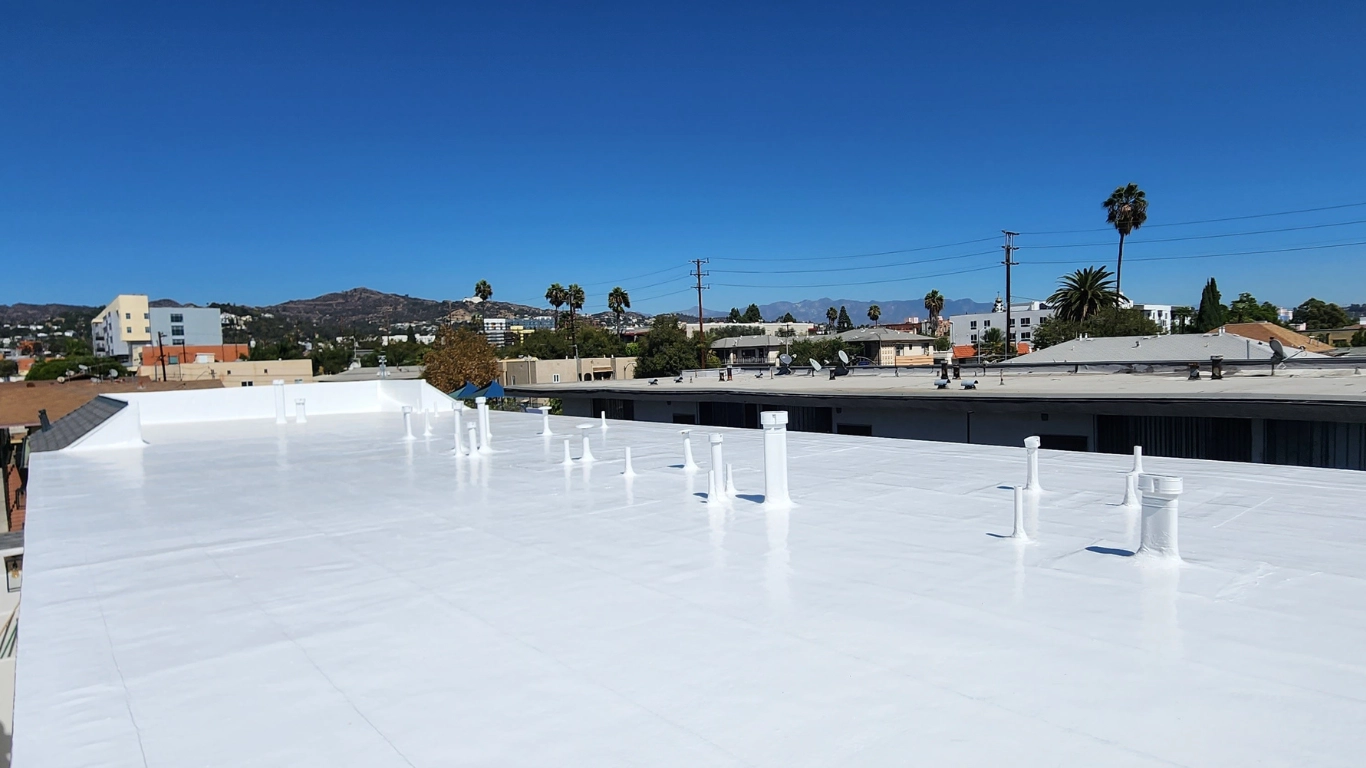
If you own or manage an apartment building in Los Angeles, your roof is doing more work than almost any other part of the property. It shields dozens of units from intense summer sun, occasional atmospheric-river downpours, and decades of thermal cycling — all while staying invisible to the tenants underneath it, right up until it leaks. Choosing the wrong roofing type doesn't just mean a shorter lifespan; it means disrupted tenants, surprise special assessments, and repair bills that could have been avoided with the right material from day one.
This guide walks through the roofing systems most commonly used on Los Angeles apartment and multifamily buildings today, what each one costs and how long it lasts, and the factors our crews weigh before recommending a system to a property manager or HOA board.
Why Roofing Choice Matters More on Multifamily Properties
A single-family reroof is a contained decision. An apartment building reroof affects every unit below it, the building's insurance premium, its resale value, and — increasingly — its compliance with California's energy code. A few LA-specific factors make the material decision higher stakes:
- Intense UV exposure. Los Angeles sees 280+ sunny days a year. UV breaks down inferior membranes and asphalt products faster than in almost any other U.S. climate.
- Low-slope, high-density roof decks. Most LA apartment buildings built from the 1960s onward use flat or low-slope roofs to maximize usable floor area, which means drainage and membrane seams matter enormously.
- Heat-island effect. Dark, absorptive roofing raises rooftop and top-floor unit temperatures, driving up tenant A/C costs and HVAC wear.
- Title 24 energy code. California's energy standards increasingly require reflective, "cool roof" materials on qualifying re-roofing and new-construction projects — see the section below.
- Occupied-building logistics. Unlike a vacant commercial building, an apartment reroof has to work around move-in/move-out schedules, parking, noise ordinances, and tenant notice requirements.
Roofing Types Compared at a Glance
| Roofing Type | Best For | Typical Lifespan | Relative Cost | Key Advantage |
|---|---|---|---|---|
| TPO (single-ply) | Flat/low-slope roofs, most common on modern LA apartment buildings | 20–30 years | $$ | Reflective, welded seams, strong cost-to-performance ratio |
| PVC (single-ply) | Buildings near restaurant exhaust, high chemical/grease exposure | 25–30+ years | $$$ | Outstanding chemical and fire resistance |
| EPDM (rubber membrane) | Budget-conscious flat-roof replacements | 20–25 years | $$ | Flexible, forgiving in temperature swings |
| Modified Bitumen | Older buildings already using asphalt-based systems | 15–20 years | $$ | Proven, easy to repair in sections |
| Built-Up Roofing (BUR) | Very low-slope roofs needing extra durability/foot traffic | 20–30 years | $$$ | Multi-layer redundancy, highly durable |
| Asphalt Shingles | Pitched roof sections, townhome-style multifamily | 20–25 years | $ | Lowest upfront cost, fast install |
| Metal Roofing | Mansard accents, sloped sections, courtyard buildings | 40–60+ years | $$$$ | Longest lifespan, minimal maintenance |
| Concrete/Clay Tile | Spanish- and Mission-style courtyard apartments common in LA | 50+ years | $$$$ | Fire resistance, classic LA aesthetic |
Cost and lifespan ranges are general industry figures for the Southern California market and will vary by building size, roof access, and existing deck condition. Request a free estimate for numbers specific to your property.
Flat and Low-Slope Roofing Types for LA Apartments
Most apartment buildings in Los Angeles — particularly anything built after the mid-20th century — use a flat or low-slope roof deck. These systems dominate that category:
TPO (Thermoplastic Polyolefin)
TPO has become the default recommendation for flat-roofed apartment buildings across Los Angeles, and for good reason. The white, heat-welded membrane reflects solar heat (helping with Title 24 compliance), resists mold and punctures, and installs relatively quickly with fewer seams than older systems. See our full breakdown of TPO roofing pros and cons, or compare it directly against another popular single-ply option in TPO vs. PVC: Which Is Better?
PVC (Polyvinyl Chloride)
PVC shares TPO's reflective, single-ply construction but adds superior resistance to grease, chemicals, and fire — a common consideration for apartment buildings with ground-floor restaurants or shared rooftop kitchen exhaust. It carries a higher price tag but often the longest real-world track record among single-ply membranes. Read our honest guide to PVC commercial roofing for a full cost and durability breakdown.
EPDM (Rubber Membrane)
EPDM (ethylene propylene diene monomer) is a synthetic rubber membrane that's been protecting flat roofs for decades. It remains flexible through Los Angeles's day-to-night temperature swings and is typically the most budget-friendly single-ply option, though it's usually installed in black, which offsets some cool-roof benefits unless a reflective coating is added. Our EPDM pros and cons guide covers where it still makes sense.
Modified Bitumen
A step up from traditional tar-and-gravel roofing, modified bitumen combines asphalt with rubber or plastic polymers for added flexibility and puncture resistance. It's a common re-roofing choice for older LA apartment buildings that already have an asphalt-based system, since crews can often work with the existing deck. Explore our modified bitumen roofing systems, the pros and cons of modified bitumen, or our step-by-step installation guide.
Built-Up Roofing (BUR)
Built-up roofing — alternating layers of asphalt and reinforcing fabric, finished with a gravel or cap sheet surface — is the old workhorse of flat-roof construction. It's heavier and takes longer to install than single-ply systems, but the multi-layer redundancy holds up well on roofs that see regular foot traffic from maintenance staff or rooftop equipment. See our built-up roofing pros and cons for the full picture, and our single-ply vs. modified bitumen comparison if you're weighing BUR-family systems against newer membranes.
Sloped-Roof and Accent Materials
Garden-style, townhome-style, and courtyard apartment communities across LA often mix a flat main roof with pitched or accent sections. Common choices include:
Asphalt Shingles
For pitched sections, composition asphalt shingles remain the most cost-effective option, with fast installation and a wide range of colors to match a building's façade. They're best suited to secondary roof sections rather than large flat expanses. See our shingle roofing systems page for options.
Metal Roofing
Metal panels — standing seam, corrugated, or mansard-style accents — show up on a growing number of LA multifamily properties for their longevity (40–60+ years with minimal maintenance) and strong fire resistance, an increasingly important factor for properties near wildland-urban interface zones. Learn more on our metal roofing in Los Angeles & OC page.
Concrete and Clay Tile
Spanish- and Mission-style courtyard apartments — a signature look across neighborhoods like Los Feliz, Silver Lake, and Koreatown — typically use concrete or clay tile over a waterproofing underlayment. Tile itself can last 50+ years, though the underlayment beneath it usually needs replacement every 20–25 years, which is often mistaken for a "tile failure" when it's really the layer underneath wearing out.
Cool Roofs, Coatings, and Title 24 Compliance
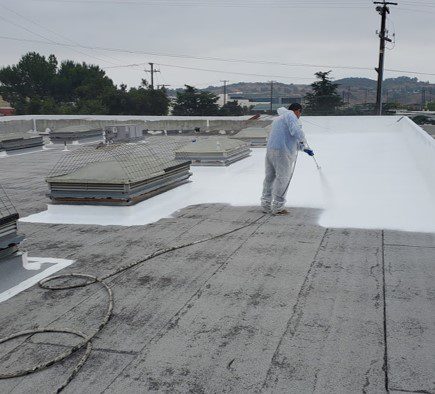
Whichever base material you choose, reflectivity has become a bigger part of the roofing conversation in California. Title 24, the state's energy code, increasingly requires reflective "cool roof" assemblies on qualifying new construction and re-roofing projects for multifamily and commercial buildings with low-slope roofs. Requirements vary by building type, roof slope, and the scope of the re-roofing project, so it's worth confirming applicability with your roofing contractor or local building department before finalizing a system.
Cool roof coatings — typically acrylic or silicone — are also one of the most cost-effective ways to extend the life of an existing membrane while improving reflectivity on a building that isn't due for a full tear-off yet. Related reading:
- What Is a Cool Roof?
- LA Cool Roof Coating Services
- Cool Roof Rebates: The Ultimate Guide
- Roof Coatings & Restoration Overview
How to Choose the Right System for Your Building
Beyond the material itself, a handful of property-specific factors should drive the final decision:
- Roof slope and drainage. Flat roofs need membranes engineered for standing water resistance and positive drainage; pitched sections have more material options.
- Building age and deck condition. A sound, dry deck opens up more system choices; a compromised deck may dictate a full tear-off regardless of the membrane you prefer.
- Budget vs. total cost of ownership. The cheapest install isn't always the cheapest over 20 years — factor in expected maintenance, coating cycles, and warranty coverage.
- Tenant disruption. Ask your contractor how they'll manage noise, parking, and common-area access during the project.
- Code compliance. Title 24 reflectivity requirements and local fire codes (especially near wildland-urban interface areas) can narrow the field.
- Warranty and contractor track record. A strong material is only as good as the installation behind it — see our guide on how to compare different types of commercial roofs.
Budgeting for an Apartment Roof Project
Multifamily roofing projects range widely in cost depending on square footage, roof access, deck condition, and material. Before requesting bids, it helps to understand the current market and your options: our commercial roofing cost guide breaks down current Southern California pricing, and our repair-or-replace decision guide can help you and your HOA board or ownership group decide whether a full replacement is warranted this budget cycle or whether targeted repairs and a coating can buy several more years.
Maintenance Keeps Any Roofing Type Performing Longer
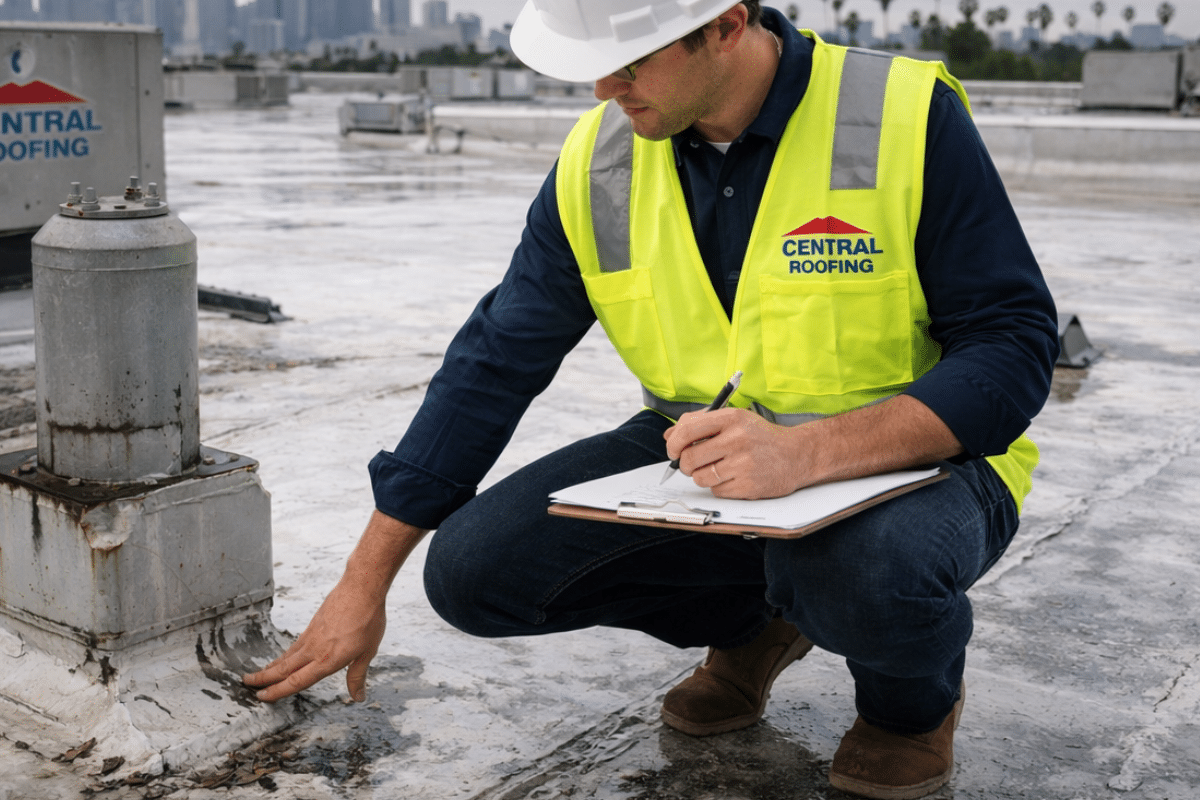
Regardless of which system you choose, a maintenance plan is what actually determines whether you get the low end or high end of its lifespan range. We recommend property managers follow a documented inspection schedule — see our 10-point roof maintenance checklist for property managers and guidance on how often to inspect a commercial roof in Southern California. Catching a lifted seam or clogged drain during a routine inspection is dramatically cheaper than responding to a ceiling leak in an occupied unit — and if you do end up with an active leak, our emergency roof repair team responds fast.
A Recent Los Angeles-Area Apartment Project

We've applied silicone coatings and full roofing systems on multifamily properties throughout Los Angeles and the San Gabriel Valley, including a recent silicone roof coating restoration for an apartment building in San Gabriel and a 44,000-square-foot cool roof project at Alhambra Townhomes HOA. Projects like these are a good reference point for what an apartment-scale roofing project actually involves, timeline-wise and budget-wise.
Trust the Knowledge of Our Team
Central Roofing Company has served property managers, HOA boards, and building owners across Los Angeles and Orange County since 1992. Our crews have completed more than 30 million square feet of cool roof coatings across Southern California and hold a 4.8/5 rating across 70+ Google reviews. We're licensed, bonded, and insured (CA License #684960), and we carry warranties of up to 20 years on qualifying systems.
Whether you need a full roof replacement, a targeted roof repair, an ongoing maintenance plan, or a professional roof inspection, our team can walk your property and give you a straightforward recommendation — no upsell, just what the roof actually needs.
Frequently Asked Questions
What is the best roofing material for a Los Angeles apartment building?
For most flat-roof apartment buildings in Los Angeles, TPO offers the strongest balance of cost, reflectivity, and durability, which is why it's become the default recommendation for new installs and full re-roofs. Buildings with restaurant exhaust, heavy chemical exposure, or a need for the longest possible membrane life often do better with PVC, while budget-driven projects may lean toward EPDM or a modified bitumen system. The "best" material really depends on your roof's slope, current condition, and budget — a free on-site estimate is the fastest way to get a specific recommendation.
How long does a flat roof last on an apartment building?
Most single-ply and modified bitumen systems last 15–30 years depending on the material, installation quality, and maintenance. TPO and PVC membranes typically fall in the 20–30 year range, EPDM and modified bitumen closer to 15–25 years, and metal or tile roofing can exceed 40–50 years. Regular inspections and prompt repairs push any system toward the higher end of its range.
How much does it cost to replace an apartment building roof in Los Angeles?
Cost depends heavily on square footage, roof access, deck condition, and material choice, so there's no single number that applies across properties. Our commercial roofing cost guide walks through current Southern California pricing factors, and we provide free, itemized estimates for specific properties.
Do Los Angeles apartment buildings need a cool roof?
California's Title 24 energy code increasingly requires reflective, cool-roof assemblies on qualifying new construction and re-roofing projects for multifamily and commercial buildings with low-slope roofs, though exact requirements vary by building type and project scope. Confirm applicability with your roofing contractor or local building department before finalizing your system — see our cool roof overview for more detail.
Who is responsible for roof repairs in a rental apartment building — the landlord or the HOA?
In most rental apartment buildings, the property owner is responsible for maintaining the roof as part of habitability requirements. In condominium or HOA-governed communities, roof responsibility is typically defined in the CC&Rs and often falls to the association for shared roof structures. Because these rules vary by property and lease agreement, we recommend confirming responsibility in your specific governing documents or with a real estate attorney — we're happy to provide the technical roof assessment either party needs to make that decision.
Can apartment roofing work be done without disturbing tenants?
In most cases, yes. Experienced commercial roofing crews sequence work to limit noise during early morning and late evening hours, stage materials to minimize parking and walkway disruption, and communicate a project timeline in advance so property managers can notify residents. Coating and restoration projects, in particular, are typically far less disruptive than a full tear-off replacement.
How often should an apartment building roof be inspected?
We generally recommend at least two professional inspections per year — typically spring and fall — plus an additional check after any major storm. See our full breakdown in how often should you inspect your commercial roof in Southern California.
What roofing type works best for a garden-style vs. a high-rise apartment complex?
Garden-style and townhome-style communities often mix a flat main roof (TPO, PVC, EPDM, or modified bitumen) with pitched accent roofs in asphalt shingle, metal, or tile. High-rise and mid-rise apartment buildings are more likely to be almost entirely flat or low-slope, making single-ply membranes or built-up roofing the more common choice. Roof access (crane vs. rooftop hoist) can also affect which systems are practical for taller buildings.
Let's Fix Your Roof Right — Get a Free Estimate Today
Not sure which roofing type is right for your apartment building? Our team will walk your roof, explain your options in plain language, and give you a free, no-pressure estimate.
Request Your Free EstimateLet’s Fix Your Roof Right — Get a Free Estimate Today
Serving Los Angeles & Orange County for 30+ years.
Trusted. Local. Professional.
Central Roofing Company Headquarters
555 W. 182nd Street
Gardena, CA 90248
📞 310-527-6770
Get A Quote
555 W. 182nd St. Gardena, CA 90248
Ph: 310-527-6770
Our Office Locations:
 Services
Our Services
CA license #684960 – Central Roofing, 2026 ©All Rights Reserved | Terms of Use | Privacy Policy | Built by Dymic


