How a Modified Bitumen Roof Is Installed (Step by Step Guide)
When it comes to commercial flat roofs, Modified Bitumen Roofing is one of the most reliable systems available. Known for its strength, durability, and multi-layered protection, modified bitumen has been a top choice for decades.
But how is it actually installed? Let’s break it down into four simple steps.
Step 1: Prep the Surface
Before installation begins, the roof deck must be cleaned and repaired. Any debris, cracks, or uneven spots are addressed to create a smooth foundation. A clean, solid surface ensures that each layer bonds correctly and extends the life of the roof.
Step 2: Lay the Base Sheet
Next, a base sheet is rolled out across the surface. This forms the first layer of protection, acting as the foundation for the modified bitumen membrane. The base sheet may be installed with adhesives or mechanical fasteners depending on the system.
Step 3: Torch Down the Membrane
Here’s where the durability comes in. The modified bitumen membrane is rolled out and heated with a roofing torch. This bonds the sheet securely to the base layer, creating a watertight seal. (Some systems use cold adhesive instead of heat for specific applications.)
Step 4: Seal Seams & Finish
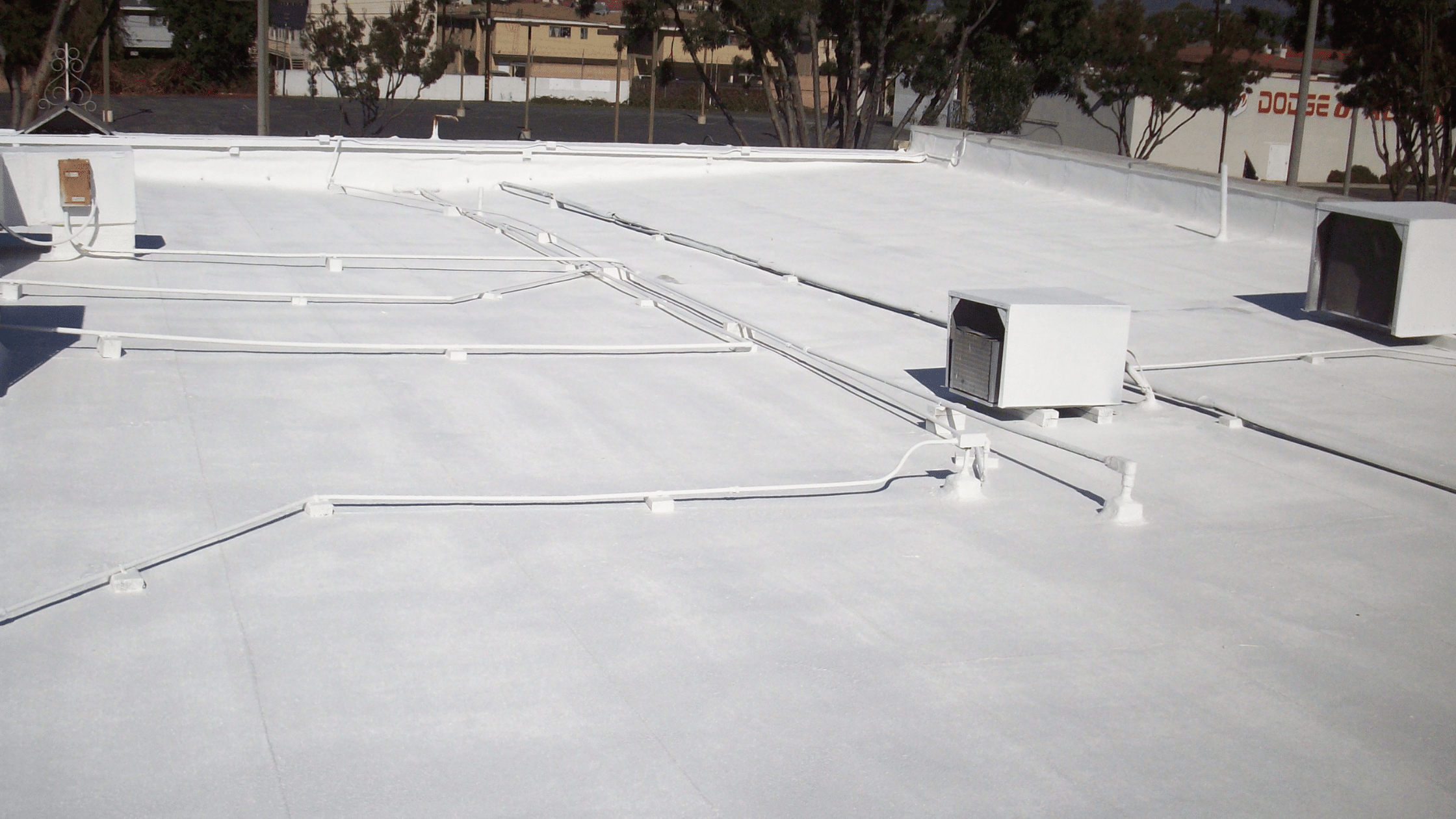
Finally, all seams are sealed for complete waterproofing. The result is a smooth, durable, multi-layered roofing system built to withstand harsh weather and heavy foot traffic.
Why Choose Modified Bitumen?
-
Proven performance for commercial flat roofs
-
Multi-layer protection against leaks
-
High durability under foot traffic
-
Flexible in hot and cold temperatures
-
Cost-effective compared to full replacements
Watch the Video
We’ve put together a short video that shows this process in action — from start to finish — in less than a minute.
👉Watch: How a Modified Bitumen Roof Is Installed in Four Simple Steps
Ready for a Modified Bitumen Roof?
At Central Roofing, we’ve been installing and maintaining commercial roofs in Southern California for over 30 years. Whether you’re considering modified bitumen or another system, we’ll help you find the best solution for your building.
FAQ:
1. How long does a Modified Bitumen roof last?
A properly installed Modified Bitumen roof can last 20–30 years with regular maintenance. Its multi-layered design makes it one of the most durable flat roof systems.
2. Is torch down roofing safe?
Yes, when installed by trained professionals. Roofing contractors use controlled propane torches to bond the membrane securely. In sensitive areas, cold adhesive systems can be used instead.
3. What are the benefits of Modified Bitumen roofing?
Modified Bitumen offers excellent waterproofing, durability under heavy foot traffic, flexibility in hot and cold weather, and cost-effectiveness compared to a full roof replacement.
4. Can a Modified Bitumen roof be coated?
Absolutely. Applying a silicone or acrylic roof coating can extend the life of a Modified Bitumen system, improve energy efficiency, and reduce long-term maintenance costs.