Serving Southern California
Central Roofing provides commercial roofing services across Los Angeles County, Orange County, San Bernardino County, and Riverside County — including repairs, coatings, maintenance, re-roofing, and emergency leak response.



How to Prevent Damage to Your Commercial Roof
Updated August 2026

Most commercial roof failures we get called out for weren't sudden. They were slow — months or years of small, preventable damage that finally added up to a leak, a soft deck, or a full replacement bill nobody budgeted for. The good news is that almost all of it is preventable with a fairly short list of habits.
The quick answer: Most commercial roof damage traces back to three things — constant UV/thermal exposure, standing water that never had anywhere to drain, and physical damage from foot traffic or rooftop equipment. A twice-yearly professional inspection plus prompt, minor repairs prevents the vast majority of it. Everything below is the "why" and the specifics.
What Actually Causes Commercial Roof Damage in Southern California
Rain gets the reputation, but in a climate like ours, it's rarely the biggest threat. Here's what we actually find when we're called out for a damaged commercial roof:
UV and Thermal Cycling
Los Angeles gets 280+ sunny days a year, and constant UV exposure breaks down roofing membranes faster than almost any other factor. On top of the UV itself, dark roofing surfaces absorb heat during the day and contract as they cool at night — that repeated expansion and contraction (thermal cycling) is what eventually cracks membranes and opens seams. This is the same mechanism behind why reflective "cool roof" surfaces last longer: a white membrane that stays roughly 50°F cooler on a summer afternoon simply isn't cycling through the same stress.
Ponding Water
Flat and low-slope commercial roofs are especially vulnerable to standing water that doesn't drain within 48 hours. Ponding adds constant weight, accelerates membrane breakdown, and is one of the most common precursors to a leak we see. If you're noticing puddles that don't clear after a day or two, that's worth a look before it becomes structural — see our breakdown of why flat roofs develop ponding.
Foot Traffic and Rooftop Equipment
HVAC servicing, satellite/antenna installs, solar work, and general maintenance access all put foot traffic on a roof that wasn't necessarily built to take it. Dropped tools, dragged equipment, and repeated foot traffic in the same path wear through membranes faster than weather alone. If your building has frequent rooftop access, walkway pads and a documented access policy go a long way.
Wind and Storm Events
Santa Ana wind events and the occasional atmospheric river both put real stress on a commercial roof — wind can lift flashing and membrane edges, while storms test every drain and seam on the roof at once. The Insurance Institute for Business & Home Safety's commercial roofing guidance is a good independent resource on wind- and storm-resistant roofing practices if you're evaluating your building's risk.
Deferred or Improper Repairs
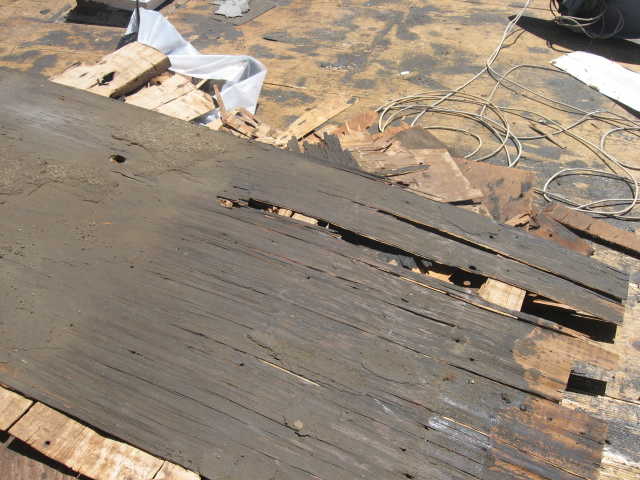
A patch job that wasn't sealed correctly, or a small repair that got pushed back a budget cycle too many times, is one of the most common things we find during an inspection. Small issues compound — a lifted seam left alone for a year is a much bigger (and more expensive) repair than the same issue caught in month one.
The Two Habits That Prevent Almost All of It
You don't need a complicated program to protect a commercial roof — you need two things done consistently.
1. Regular Professional Inspections
We recommend at least two inspections a year — typically spring and fall — plus an additional check after any major storm or wind event. A proper inspection covers the membrane surface, all seams and flashing, drains and scuppers, penetrations around rooftop equipment, and interior signs like ceiling stains or a musty odor that can indicate a leak before it's visible from the roof. For the full reasoning on cadence, see how often you should inspect a commercial roof in Southern California, or schedule a professional roof inspection directly.
Timing matters too — scheduling inspections and any follow-up repairs before the rainy season, rather than after, is the difference between a planned fix and an emergency call. Our guide on the best time of year for roof repairs covers the seasonal logic in more depth.
2. Prompt, Routine Maintenance
An inspection only helps if what it finds actually gets fixed. Routine maintenance — clearing drains, resealing minor seam issues, touching up flashing — is dramatically cheaper than the emergency repair or full replacement that follows when the same issues sit for a year or two. Our 10-point roof maintenance checklist is a good starting point for property managers building out a program, and our preventative roof maintenance 101 guide goes deeper on what a maintenance plan should actually include. If you're weighing the cost of an ongoing plan against doing nothing, our maintenance budgeting guide puts real numbers next to both paths.
A Few More Prevention Habits Worth Building In
- Keep drains and scuppers clear. Debris is the single most common cause of preventable ponding — a five-minute check after a windy day catches most of it.
- Control rooftop access. Require walkway pads for regular maintenance routes, and make sure any contractor accessing the roof (HVAC, solar, telecom) knows where they can and can't step.
- Trim overhanging vegetation. Branches deposit debris, hold moisture against the membrane, and can physically abrade a roof surface in wind.
- Consider a reflective coating. A cool roof coating reduces the UV and thermal-cycling stress discussed above, and can extend an aging roof's life without a full tear-off — see our roof coatings & restoration and cool roof coating pages.
- Know your warranty's maintenance requirements. Most manufacturer warranties require documented, regular inspections to stay valid — skipping them can void coverage right when you need it most. See our commercial roofing warranties page for what's typically required.
- Don't let a small repair sit. If an inspection flags an issue, get it scheduled. If you already have an active leak, that's not a maintenance-plan problem — call our emergency roof repair line.
What Happens If You Don't
Deferred maintenance doesn't stay small. A lifted seam becomes a leak; a leak becomes water intrusion into insulation and decking; and what would have been a $500 repair becomes a five- or six-figure replacement decision. If you're not sure whether your roof needs a repair or a full replacement, that's a conversation worth having before the damage makes the decision for you — see our current commercial roofing cost guide for what both paths typically run in Southern California.
Trust the Knowledge of Our Team
Central Roofing Company has served property managers, HOA boards, and building owners across Southern California since 1992. We're licensed, bonded, and insured (CA License #684960), and our inspection and maintenance programs are built specifically to catch the issues above before they turn into emergency calls.
Frequently Asked Questions
What causes the most damage to commercial roofs in Los Angeles?
UV exposure and thermal cycling from our sunny climate cause the most gradual damage, but ponding water, foot traffic from rooftop equipment servicing, and wind events are also major contributors. Most roofs we inspect show a combination of several of these rather than just one.
How often should a commercial roof be inspected to prevent damage?
At least twice a year — typically spring and fall — plus an additional inspection after any major storm or wind event. See our full breakdown in how often should you inspect a commercial roof in Southern California.
Can roof damage be prevented without a full replacement?
In most cases, yes. Regular inspections combined with prompt minor repairs, clear drains, and a reflective coating where appropriate can prevent the kind of deferred damage that eventually forces a full replacement. Replacement typically becomes necessary only after damage has been allowed to compound for years.
Does skipping maintenance void my roof's warranty?
Often, yes. Most manufacturer warranties require documented, regular inspections and prompt repairs to stay valid. Check your specific warranty terms, or see our commercial roofing warranties page for what's typically required.
What's the difference between roof maintenance and roof repair?
Maintenance is the routine, preventive work — clearing drains, resealing minor seams, inspections — that keeps small issues from becoming big ones. Repair is fixing a specific problem that's already occurred, like a leak or storm damage. A good maintenance program is what keeps you needing far fewer repairs.
Does a cool roof coating actually help prevent damage?
Yes. Reflective coatings reduce the surface temperature and thermal cycling that drive most UV-related membrane breakdown, which can meaningfully extend a roof's usable life. See our cool roof overview for more detail.
How do I know if my roof has storm or wind damage?
Look for lifted or missing flashing, membrane edges that have pulled loose, debris accumulation around drains, and any new interior ceiling stains after a storm. When in doubt after a significant wind event, a professional inspection is the safest way to confirm.
Let's Fix Your Roof Right — Get a Free Estimate Today
Not sure what shape your roof is really in? Our team will walk it, flag anything worth watching, and give you a free, no-pressure estimate.
Request Your Free EstimateLet’s Fix Your Roof Right — Get a Free Estimate Today
Serving Los Angeles & Orange County for 30+ years.
Trusted. Local. Professional.
Central Roofing Company Headquarters
555 W. 182nd Street
Gardena, CA 90248
📞 310-527-6770
Get A Quote
555 W. 182nd St. Gardena, CA 90248
Ph: 310-527-6770
Our Office Locations:
 Services
Our Services
CA license #684960 – Central Roofing, 2026 ©All Rights Reserved | Terms of Use | Privacy Policy | Built by Dymic


