


Best Time of Year For Roof Repairs
Best Time of Year for Roof Repairs in Southern California
Updated August 2026
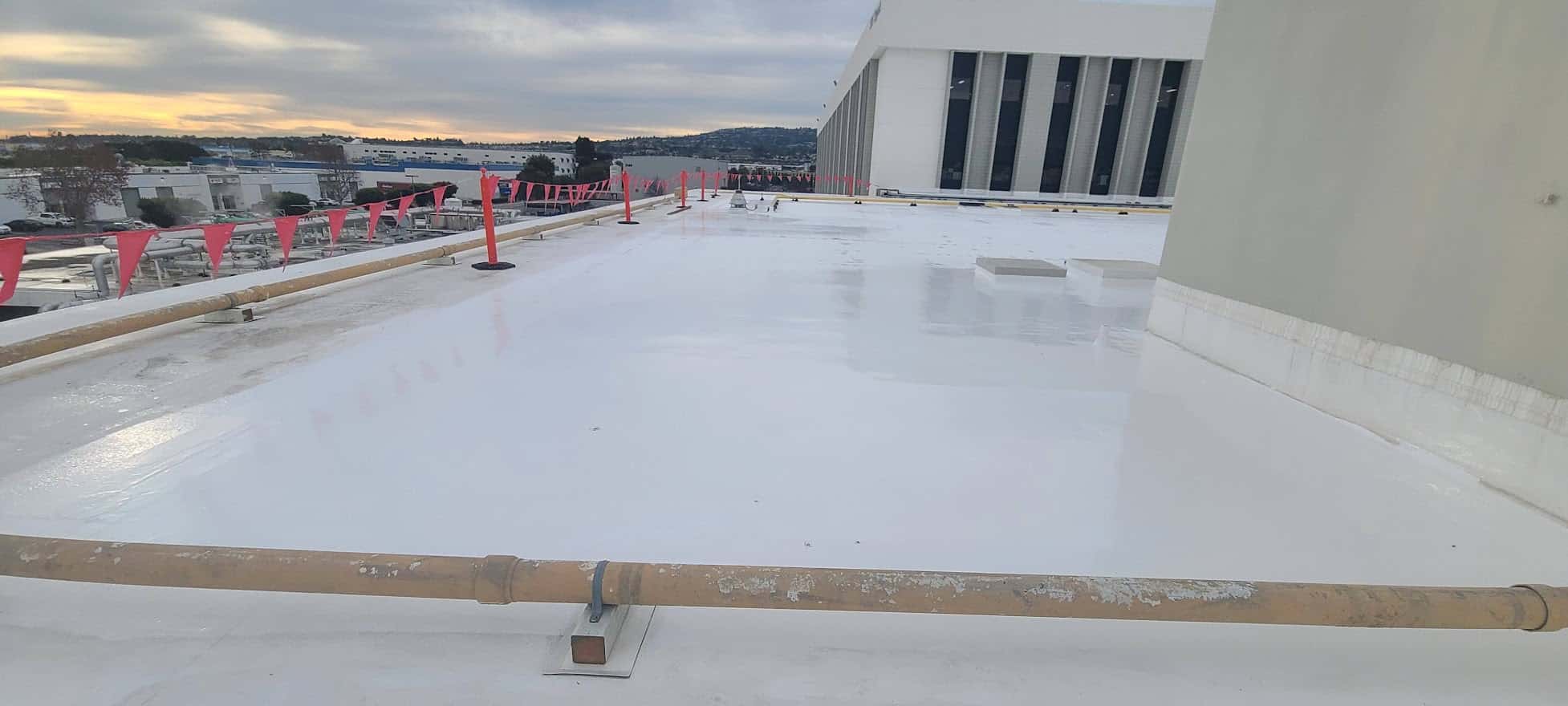
Roof repairs don't fail on a schedule — but Southern California's weather makes some months a much better bet than others. Time it right and a repair crew works efficiently, materials cure and adhere properly, and you're protected before the next rain. Time it wrong, and you're either paying an emergency-rate premium during a storm or watching a coating fail to cure in 100-degree heat.
This guide breaks down what actually changes season to season, how timing shifts depending on where in Southern California your property sits, and what to do if you can't wait for ideal conditions.
Why Timing Actually Matters for a Roof Repair
- Material performance. Asphalt-based products and some coatings need a minimum temperature to cure and adhere correctly. Too cold and adhesives stay stiff; too hot and some materials soften or off-gas faster than they should.
- Crew safety and productivity. California's Cal/OSHA Outdoor Heat Illness Prevention Standard requires shade, water, and rest breaks once temperatures climb — which is good for crews, but it does mean summer projects can take longer to complete than the same job in October.
- Storm risk. An open roof section during an unexpected atmospheric river is the single most expensive mistake in commercial roofing. Scheduling around the region's wet season limits that exposure.
- Contractor availability. Everyone wants their roof fixed before the rain, which means fall is also the most heavily booked season — planning ahead matters as much as picking the "right" month.
Roof Repair Timing by Season
Spring (March–May): A Solid Second Choice
Spring is a good, if slightly underrated, window for roof work. Southern California's wet season is winding down, temperatures are moderate, and it's the ideal time to assess whatever damage winter rains left behind before it turns into a summer emergency. If your spring roof inspection turns up lifted flashing, ponding water, or a coating that's lost its reflectivity, spring repairs mean you're not carrying that risk into the hottest, driest months of the year — when a small leak becomes a bigger problem faster.
Summer (June–August): Doable, But Plan Around the Heat
Summer is when a lot of property owners default to scheduling work, mostly because the weather is predictable. But Los Angeles and the Inland Empire regularly see days above 100°F, and heat brings real constraints: asphalt-based materials can soften and become harder to work precisely, crews need to follow Cal/OSHA's heat safety rules (shorter work windows, mandatory breaks), and reflective coatings sometimes need to be scheduled for early morning application to cure properly. Single-ply membrane systems like TPO and PVC tend to tolerate summer installation better than asphalt-based systems, since they're heat-welded rather than temperature-dependent for adhesion. If you're managing an occupied apartment building, summer also means coordinating around kids home from school and higher pool/common-area usage — worth a look at our apartment roofing guide for how we sequence work around tenants.
Fall (September–November): The Best Window
Fall consistently offers the best combination of factors for roof work in Southern California: temperatures moderate into a comfortable range, humidity is low, and the wet season hasn't started yet. It's also, unsurprisingly, the busiest season for roofing contractors — every property manager who put off a decision over the summer is now calling at once. If you know a replacement is likely needed this budget cycle, or your maintenance checklist flagged issues this spring, booking a fall slot in July or August — before the rush — is the single best scheduling move you can make.
Winter (December–February): Avoid Planned Work if You Can
Winter is the riskiest season for roofing work in Southern California, for two reasons. First, it's our wet season — atmospheric rivers and multi-day rain events aren't rare, and an open roof deck during one of those storms is a serious liability. Second, cold temperatures make roofing materials stiffer and harder to work; the National Roofing Contractors Association's cold-weather application guidelines outline why adhesives, sealants, and some membranes need special handling below certain temperatures. Winter is best reserved for the repairs that can't wait — active leaks, storm damage, and emergency calls — which is exactly what our emergency roof repair team handles year-round. If you're dealing with an active leak right now, see our flat roof leak repair tips or our Gardena roof leak repair page for immediate guidance.
Does Timing Change by Region?
Southern California's weather isn't uniform, and neither is the ideal repair window depending on where your property sits. A few things we factor in by region:
Los Angeles County
Coastal and Westside neighborhoods run cooler and foggier through late spring ("May Gray, June Gloom"), which can actually extend the comfortable working window into early summer. Inland areas of the San Fernando and San Gabriel Valleys heat up faster and hold that heat longer into fall. See our Los Angeles County commercial roofing services for coverage across both.
Orange County
Similar marine-layer effect along the coast (Huntington Beach, Newport) keeps early-summer temperatures more moderate than inland OC cities. That said, OC's dry season runs long, which gives property owners a slightly wider planning window before winter rain risk sets in. See Orange County commercial roofing services.
Riverside & San Bernardino Counties (Inland Empire)
This is the region where summer heat matters most — inland valley and high-desert areas regularly exceed the temperatures seen closer to the coast, and can also see late-summer monsoonal thunderstorm activity. Spring and fall are an especially tight window here. See Riverside County commercial roofing services and San Bernardino County commercial roofing services.
Ventura County
Coastal Ventura County shares LA's marine-layer pattern, with slightly higher annual rainfall in some areas. Scheduling around the wet season carries a bit more weight here than in drier inland regions. See Ventura County commercial roofing services.
Rainfall and temperature patterns shift year to year (including with El Niño/La Niña cycles), so treat the above as general seasonal guidance, not a guarantee. The National Weather Service Los Angeles/Oxnard office is the most reliable source for current forecasts and seasonal outlooks when you're planning a specific project date.
Timing by Roofing Material
Not every roofing system responds to weather the same way, which is part of why "the best time to repair a roof" isn't a single universal answer:
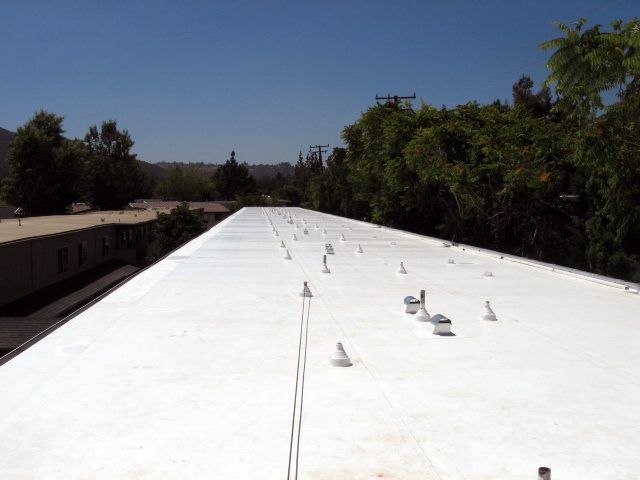
- Single-ply membranes (TPO, PVC, EPDM): Heat-welded or mechanically fastened, these systems have more seasonal flexibility than asphalt-based products, though extreme heat or cold still affects install speed and seam quality.
- Modified bitumen and built-up roofing: More temperature-sensitive — cold makes the material stiff and hard to seat properly, while very high heat can cause premature softening. Spring and fall are the safest windows.
- Roof coatings (acrylic, silicone): Coatings need dry conditions and adequate cure time before rain — that makes fall the sweet spot, and summer mornings a reasonable second option if the heat is managed. See our roof coatings & restoration and cool roof coating pages for details, and confirm any Title 24 cool-roof requirements before scheduling if your project is a qualifying re-roof.
- Metal roofing: Generally the least weather-sensitive system to install, though high wind days (more common in fall's Santa Ana wind events) can pause panel work for safety.
When You Shouldn't Wait for "Ideal" Timing
All of the above applies to planned, non-urgent work. It doesn't apply to an active leak, storm damage, or a roof that's visibly failing — those need attention regardless of season. Waiting for the "perfect" month while water is actively entering a building typically turns a contained repair into a much larger interior damage claim. If that's where you are, call our emergency roof repair line rather than this guide.
How to Plan Ahead Instead of Reacting
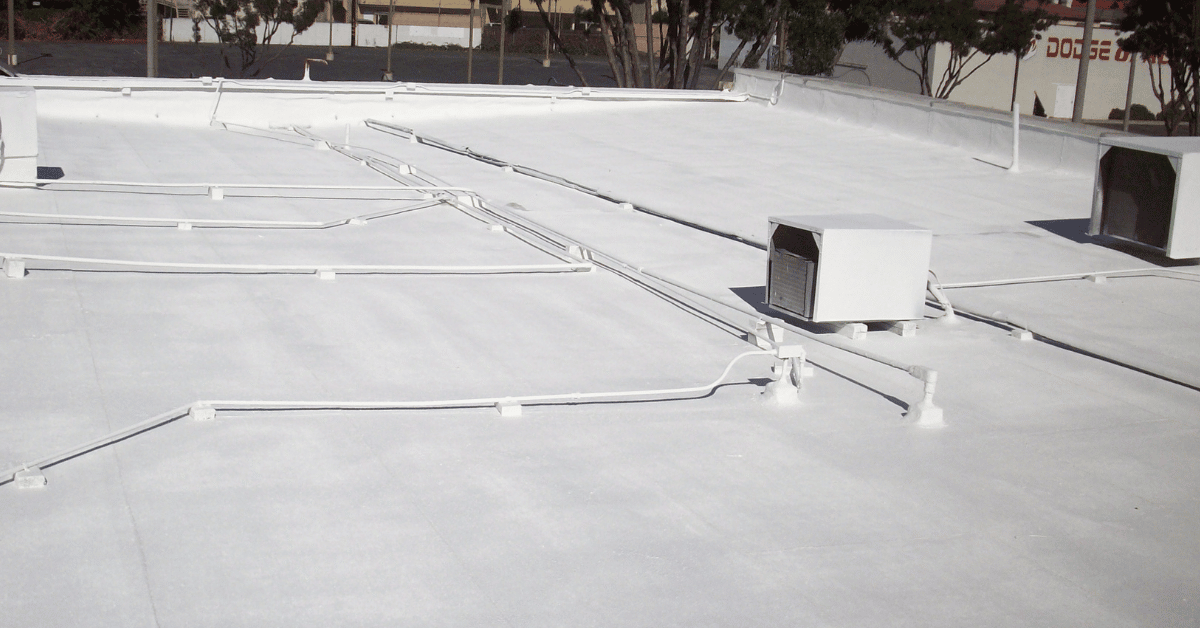
The best-timed roof repairs are the ones that were never actually urgent — because someone caught the issue during a routine check. We recommend at least two inspections a year (spring and fall) plus a check after any major storm; our 10-point maintenance checklist and guidance on inspection frequency in Southern California can help you build that schedule. If you're weighing whether an issue is a quick repair or signals a bigger replacement decision, that's exactly the kind of call we help property managers make every week.
Trust the Knowledge of Our Team
Central Roofing Company has served property managers, HOA boards, and building owners across Los Angeles, Orange, Riverside, San Bernardino, and Ventura counties since 1992. We're licensed, bonded, and insured (CA License #684960), and our scheduling team can help you find the right window for your specific property, material, and budget — not just the calendar-general answer.
Frequently Asked Questions
What is the best month to repair a roof in Los Angeles?
September and October tend to offer the best combination of mild temperatures, low rain risk, and dry conditions for curing materials — though booking early (June or July) is smart, since fall is also the busiest season for contractors.
Can you repair a roof in the winter in Southern California?
Yes, and sometimes you have no choice — active leaks and storm damage don't wait for good weather. But planned, non-urgent repairs are best avoided in winter when possible, since rain risk is highest and cold temperatures can affect how well some materials adhere and cure.
Is it too hot in the summer to do roof work in LA or the Inland Empire?
Extreme heat adds real constraints — Cal/OSHA's heat safety rules require breaks and shade once temperatures climb, and some asphalt-based materials perform less predictably above certain temperatures. It's not impossible, and single-ply membrane systems tolerate it reasonably well, but projects often take a bit longer and are more comfortable to schedule for morning start times.
How far in advance should I schedule a roof repair or replacement?
For planned, non-emergency work, we recommend reaching out 6-8 weeks before your target window, especially if you're aiming for the fall season — that's when scheduling fills up fastest across Southern California.
Does the best time to repair a roof depend on the roofing material?
Yes. Single-ply membranes like TPO and PVC have more seasonal flexibility since they're heat-welded rather than adhesive-dependent. Modified bitumen, built-up roofing, and coatings are more temperature- and moisture-sensitive, which makes spring and fall the safer windows for those systems.
Should I wait for the "best" season if I already have a leak?
No. Seasonal timing guidance applies to planned, preventive work — not active problems. A leak or visible storm damage should be addressed immediately regardless of the time of year to avoid more expensive interior damage.
Let's Fix Your Roof Right — Get a Free Estimate Today
Not sure whether now is the right time for your roof, or whether it can wait? Our team will give you a straight read and a free, no-pressure estimate.
Request Your Free Estimate