


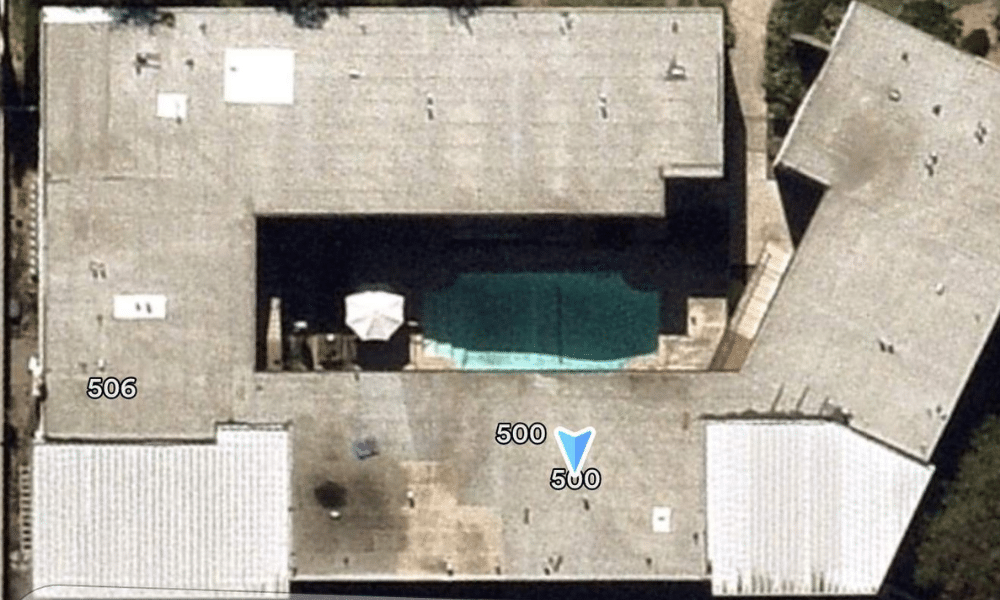
Commercial roofs in Los Angeles and Orange County face a unique combination of stressors: intense UV exposure, coastal moisture, salt air in beach cities, seasonal atmospheric river rain events, and constant rooftop foot traffic from HVAC maintenance. Choosing the right roofing material for durability in Southern California isn’t just about lifespan—it’s about performance in this climate.
Below are the most durable commercial roofing materials for LA & OC buildings, plus how cool roof coatings (silicone and acrylic) often outperform full replacements when the roof structure is still sound.
What durability means for commercial roofs in Southern California
In LA and Orange County, durability is driven by:
-
Extreme UV and heat (year-round sun accelerates membrane aging)
-
Ponding water after heavy rain events
-
Coastal conditions (salt air + moisture)
-
Energy code pressure (Title 24 + cool roof requirements)
-
Frequent foot traffic on flat commercial roofs
-
Insurance scrutiny for roof condition and maintenance records
A durable roofing system must address all of these—not just material thickness.
1) TPO Roofing: A strong all-around choice for LA & OC
TPO (thermoplastic polyolefin) is one of the most popular commercial roofing materials in Southern California because it balances durability, reflectivity, and cost.
Why it works well locally:
-
Naturally reflective for heat reduction
-
Heat-welded seams resist separation
-
Compatible with California energy codes
Best for:
-
Warehouses, retail centers, office buildings
-
Owners planning long-term ownership with predictable maintenance
Commercial Roof Replacement & Systems – Central Roofing
2) PVC Roofing: Ideal near the coast and for restaurants
PVC roofing offers excellent chemical and grease resistance, making it especially durable for restaurants, food facilities, and coastal buildings.
Why PVC performs well in Orange County coastal cities:
-
Superior resistance to salt air
-
Strong welded seams
-
Long-term flexibility under temperature swings
Best for:
-
Coastal OC cities (Huntington Beach, Newport Beach, Long Beach)
-
Commercial kitchens and manufacturing buildings
3) EPDM Roofing: Proven durability with proper maintenance
EPDM (rubber roofing) has decades of proven performance. While not naturally reflective, it is extremely weather-resistant and repair-friendly.
Why it still works in LA & OC:
-
Excellent resistance to thermal movement
-
Long lifespan with proper seam care
-
Ideal for large roof footprints
Often paired with coatings later to improve reflectivity and extend life.
4) Modified Bitumen: Tough and traffic-resistant
Modified bitumen is one of the most impact-resistant commercial roofing systems available.
Why it’s durable in Southern California:
-
Handles frequent rooftop foot traffic
-
Strong puncture resistance
-
Performs well on older buildings with movement
Best for:
-
Medical buildings, schools, older commercial structures
-
Roofs with constant service access
5) Built-Up Roofing (BUR): Redundant protection
BUR systems use multiple layers for durability and redundancy. While less common today, they remain a solid choice for certain buildings.
Best for:
-
Owners prioritizing redundancy
-
Buildings with strong structural support
Cool Roof Coatings: The durability upgrade many LA & OC buildings need
In Los Angeles and Orange County, roof coatings are often the smartest durability solution—especially when the existing roof is still structurally sound.
Instead of tearing off the roof, coatings:
-
Seal seams and penetrations
-
Create a seamless waterproof layer
-
Dramatically reduce UV degradation
-
Extend roof life by 10–20+ years
Roof Coatings & Restoration – Central Roofing
Silicone Roof Coatings: Best for ponding water & harsh sun
Silicone coatings are one of the most durable options for flat roofs in Southern California.
Why silicone excels in LA & OC:
-
Handles ponding water (common after heavy rain)
-
Outstanding UV resistance
-
Minimal degradation over time
Best for:
-
Flat roofs with drainage challenges
-
Buildings exposed to constant sun
-
Owners looking to avoid full replacement
Learn More:
Acrylic Roof Coatings: Reflective and energy-efficient
Acrylic coatings are highly reflective and ideal for roofs with proper slope and drainage.
Why acrylic works well locally:
-
Excellent heat reflection (cool roof benefits)
-
Supports Title 24 energy compliance
-
Cost-effective restoration option
Best for:
-
Roofs with good drainage
-
Buildings focused on cooling cost reduction
Learn More:
Cool roof compliance in California
Most LA & OC commercial buildings must meet cool roof reflectivity standards.
External resources:
-
Cool Roof Rating Council (CRRC): https://coolroofs.org/
-
CRRC Rated Products Directory: https://coolroofs.org/directory/roof
-
California cool roof guidance: https://coolcalifornia.arb.ca.gov/identifying-roof-products
Maintenance = real durability
Even the best roof system fails early without maintenance.
Commercial Roof Maintenance Services
Routine inspections help:
-
Catch small leaks early
-
Prevent insurance issues
-
Extend roof lifespan significantly
Frequently Asked Questions (FAQ)
What is the most durable commercial roofing material for Los Angeles?
There is no one-size-fits-all answer. For replacements, TPO, PVC, and modified bitumen are highly durable. For restoration, silicone roof coatings are often the most durable option due to UV and ponding water resistance.
Are cool roof coatings durable enough for commercial buildings?
Yes. When properly installed, silicone and acrylic coatings can extend a commercial roof’s life by 10–20+ years while improving energy efficiency.
Is silicone or acrylic better for Orange County roofs?
-
Silicone is better for roofs with ponding water or heavy sun exposure.
-
Acrylic is ideal for roofs with good drainage and strong reflectivity goals.
Do roof coatings meet California energy codes?
Yes. Many silicone and acrylic coatings are CRRC-rated and help meet California Title 24 cool roof requirements.
When should a roof be replaced instead of coated?
One of the biggest misconceptions among commercial property owners is that an aging roof automatically requires replacement.
In many cases, a commercial roof can be restored with a silicone or acrylic coating system if:
The roof deck remains structurally sound
Insulation is dry
Existing membrane damage is limited
Drainage issues can be corrected
A restoration system can significantly reduce project costs while extending roof life by 10 to 20 years or more.
Why Silicone Coatings Perform So Well in Southern California
Silicone coatings have become one of the fastest-growing commercial roofing solutions in Los Angeles and Orange County.
Advantages include:
Excellent UV resistance
Superior ponding water performance
Seamless waterproof protection
Minimal disruption to building operations
Reduced landfill waste compared to tear-offs
For many flat commercial roofs, silicone coatings provide a highly cost-effective alternative to full replacement.
 Services


